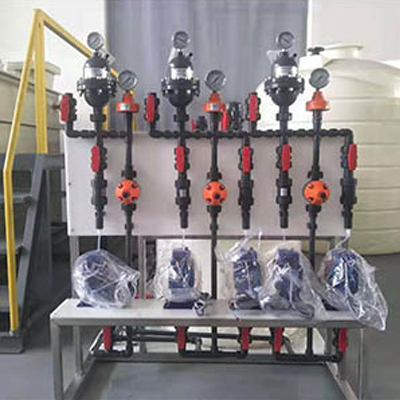
Digital electromagnetic diaphragm metering pumps are core precision equipment of dosing plant systems, and standardized daily maintenance and timely fault troubleshooting are key to ensuring long-term stable operation, extending service life, and reducing production downtime. This article summarizes professional and practical maintenance specifications and common fault solutions for digital metering pumps, providing technical guidance for global dosing plant operation and maintenance personnel, helping enterprises reduce equipment failure rates and save maintenance costs.
Daily routine maintenance is the basis for the stable operation of electromagnetic diaphragm metering pumps. First of all, keep the equipment environment clean and dry, avoid long-term accumulation of dust, corrosive gas, and water vapor on the pump body and control panel, to prevent circuit short circuit and component aging. Secondly, regularly check the pipeline connection status of the dosing plant, confirm that the inlet and outlet pipelines are free of leakage, blockage, and loose joints, and ensure smooth liquid transportation. For the diaphragm and sealing parts in contact with chemical media, check the aging and wear status every 3 months, and replace the vulnerable parts in time for long-term use of corrosive media to avoid liquid leakage.
In terms of parameter maintenance and calibration, it is necessary to regularly calibrate the metering accuracy of the digital metering pump. After the equipment runs for 6 months, the dosage deviation may be caused by medium adhesion and diaphragm fatigue. Users can use the digital adjustment system to calibrate the stroke frequency and flow rate to ensure that the metering accuracy is always within the standard range. At the same time, regularly clean the pump chamber and check valve impurities to prevent medium precipitation and scale from blocking the valve core, resulting in unstable dosing flow and insufficient suction.
For common equipment faults of dosing plant metering pumps, targeted troubleshooting can quickly solve problems. The first common fault is no liquid discharge or insufficient flow, which is usually caused by pipeline blockage, check valve stuck, diaphragm damage, or insufficient water level of the medium tank. The solution is to clean pipeline impurities, disassemble and clean the check valve, replace the damaged diaphragm, and ensure smooth medium supply. The second common fault is unstable dosing accuracy, mostly due to uncalibrated parameters, air in the pump chamber, or aging sealing gaskets. It is necessary to exhaust the air in the pipeline, recalibrate the flow parameters, and replace the aging sealing parts.
The third common fault is abnormal noise and overheating of the equipment, which is generally caused by unstable power supply, coil aging, or mechanical jamming. It is necessary to check whether the power supply voltage is stable, clean the coil dust, and check whether the internal plunger is stuck. In addition, if the digital display screen fails and the parameters cannot be adjusted, it is mostly a control module fault, and professional technical debugging and replacement are required.
Standardized maintenance can extend the service life of digital electromagnetic diaphragm metering pumps to more than 3-5 years, greatly reducing the equipment replacement cost of the dosing plant. Mastering professional fault troubleshooting skills can effectively avoid production downtime losses caused by equipment failures and ensure the continuous and stable operation of industrial dosing systems.